

Preparing Your Car for Sale: The Pre-Sale Detail Checklist
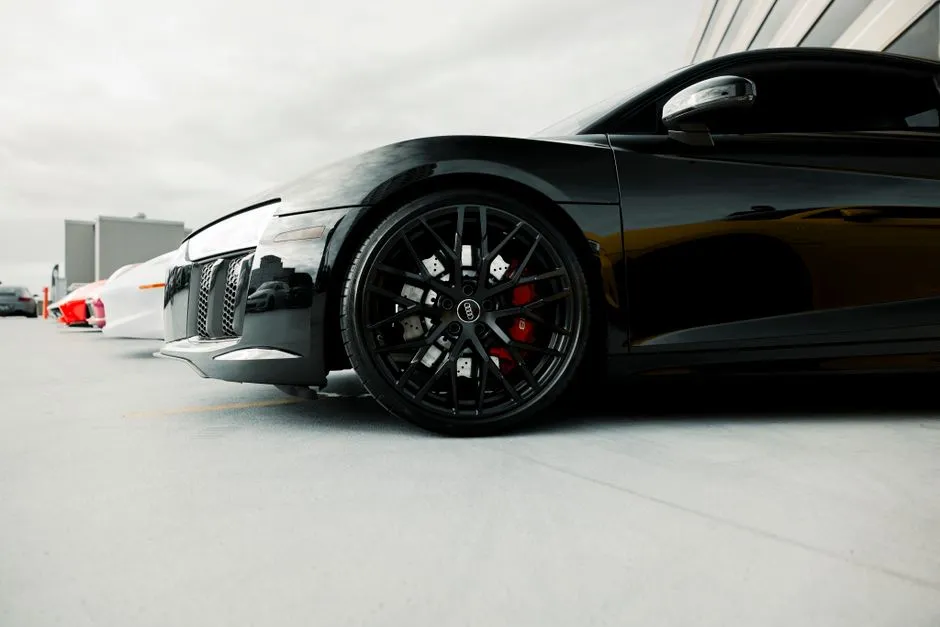
I quote a lot of these, and the question is nearly always the same: is it actually worth detailing the car before I sell it. Fair enough to ask. So here's the straight version, from someone whose team preps cars for sale most weeks of the year.
What a pre-sale detail is really worth
Of everything you can spend money on before listing a car, this is the one that tends to pay you back the most. A pre-sale detail in Cairns runs from around $399, and on a decent car the difference it makes to what a buyer will happily pay is usually a good deal more than that. Not always a fortune, but more than it cost you, which is the bit that matters.
The reason is simple, and it's a little bit emotional rather than logical. Most buyers aren't engineers crawling under the car with a torch. They're regular people who open the door, have a sit, and form a gut feeling fast. A glossy car with a fresh, genuinely clean interior quietly says this one's been cared for. A dull car with a mystery smell makes them wonder what else got neglected. We've watched two near-identical cars, same year and same kilometres, sell hundreds apart purely on how they presented.
Buyers decide in the first thirty seconds
Here's roughly how it goes when someone turns up to look at your car.
- First ten seconds, the outside. Paint, cleanliness, wheels, tyres. They're already forming an opinion before they've said hello properly.
- Next ten, they open the door. The smell lands first, then the seats, the dash, the carpet, the steering wheel.
- Last ten, they sit in. Hands on the wheel, eyes over the console, a glance at the mirrors.
In that half a minute they've quietly sorted your car into the "good one" pile or the "needs work" pile, and the rest of the inspection mostly just confirms whatever they already felt. A proper detail is really about controlling those thirty seconds, so the paint gleams, the cabin smells clean rather than like an air-freshener bomb, the wheel isn't sticky, and every surface they touch says cared for.
The pre-sale detail checklist, top to bottom
This is what the team works through on a pre-sale job. You don't have to do every line yourself, but it's worth knowing what a proper one covers so you can tell whether a quote is the real thing or a quick wash wearing a fancier name.
Exterior
- Full hand wash and dry — a strip wash to clear off old wax and sealant so we're working on clean paint.
- Clay bar treatment — lifts the bonded grit that makes paint feel rough, the stuff a wash leaves behind.
- Iron fallout removal — dissolves the brake-dust particles baked into the paint, especially around the wheels.
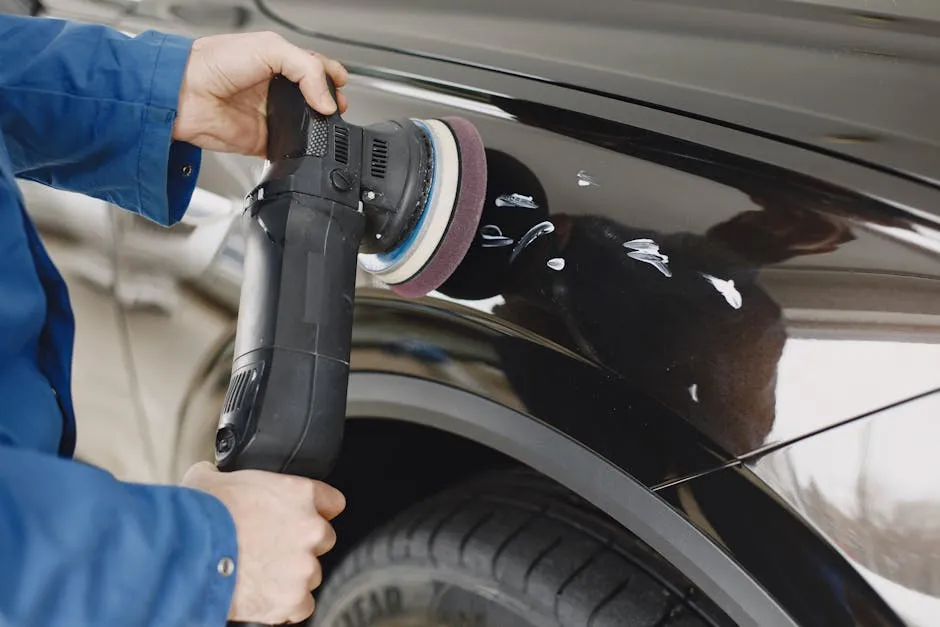
- Light machine cut and polish — a single-stage polish to take out swirls and light scratches. This is the line that does the most, both in person and in your photos.
- Sealant or wax — adds gloss and a bit of protection. A high-gloss sealant gives the most visual punch for a sale.
- Wheel deep clean — brake dust off the faces and barrels, then a tyre dressing.
- Glass polish, inside and out — including water-spot removal on the windscreen, which Cairns is brutal for.
- Trim restoration — black plastic trim fades fast in this sun, and a restorer brings it back to a proper dark black.
- Headlight restoration — yellowed, foggy headlights age a car by years at a glance. A polish and a UV seal makes them look new again, and it's one of the higher-impact bits for the money.
Interior
- Full vacuum — every surface, every crevice, under the seats and through the boot.
- Carpet and upholstery extraction — hot-water extraction of the fabric to pull deep stains and odour out rather than just wetting them.
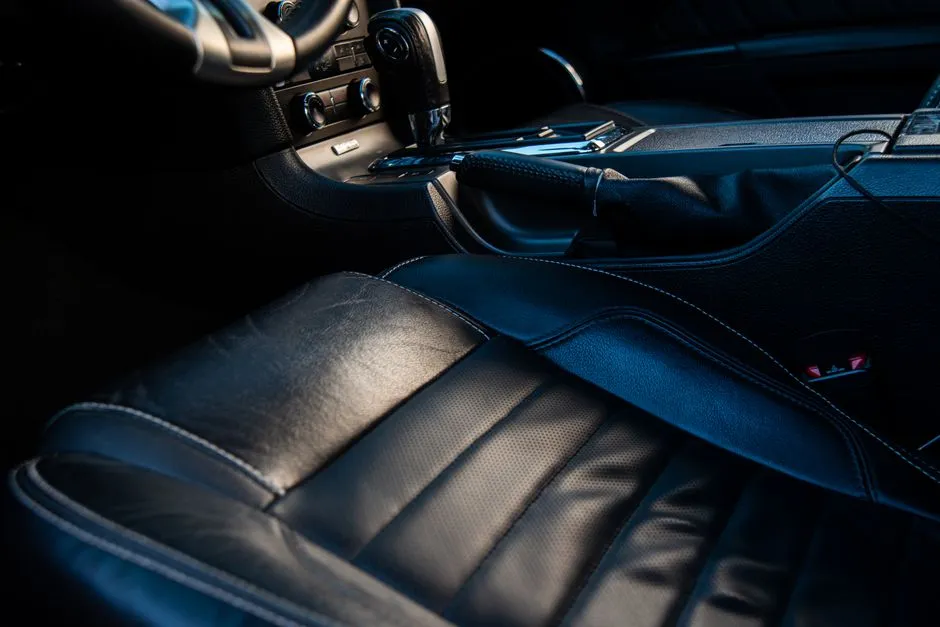
- Leather clean and condition — leather should feel soft and look nourished, not dry and cracked.
- Dash and console — cleaned, degreased and given a UV protectant in a matte finish, not a greasy shine. Buyers read excess shine as a cheap dressing hiding something.
- Steering wheel deep clean — buyers always reach for the wheel, so it needs to feel clean and grippy, never slippery or tacky.
- Door cards and jambs — clean jambs are a quiet tell. In a buyer's head, tidy door jambs equal a well-kept car.
- Genuine odour treatment — not masking with a fragrance, an actual ozone or enzyme treatment. This matters more here than almost anywhere, especially after pets, smoking or any mould — and mould is common in Cairns. We've a separate mould removal guide if that's your situation.
- Interior glass — the film and fingerprints on the inside of the windscreen look neglected and distract in photos.
Engine bay
This one's optional, and we'll be honest that it's more about perception than mechanics. But when a buyer pops the bonnet and finds a clean, dressed engine bay, it sends a strong signal that the owner cared about every part of the car, not just the bits on show. It's a degrease and careful rinse around the sensitive electrics, a dress on the rubber and plastic, and a wipe-down of the accessible metal. An engine bay detail usually adds around $120 on top, and for a lot of sellers the lift in confidence is worth it.
Wheels and tyres
- Wheel face and barrel clean — alloys should come up looking close to new.
- Tyre dressing — a fresh dark tyre wall makes the whole car read newer than it is.
- Kerb rash — we can't fix it, but clean wheels make the odd scuff far less obvious to a buyer's eye.
What quietly turns buyers off
It's worth knowing what's working against you, because most of it is fixable. The things that pull buyers in are glossy, swirl-free paint, a clean and fresh-smelling cabin, clear headlights, dark tyres and clean wheels, and those tidy door jambs.
The things that quietly cost you money are the opposite. Top of the list up here is a musty or mouldy smell, which is close to a deal-killer in Cairns. After that it's stained seats or carpet, a sticky wheel or console, swirl marks that show up the moment they walk the car into the sun, and yellowed headlights. And here's one people get wrong: an overpowering air freshener turns buyers off rather than winning them, because they assume you're hiding something. The aim is a car that simply smells clean.
You'll notice nearly all of that is what a pre-sale detail addresses. The buyer never needs to know you had it done last week. They just see a car that's obviously been looked after.
When to do it yourself, and when not to bother at all
I'd rather you spend the right amount than the most, so here's where I'd steer you down rather than up.
If you're selling a cheaper runabout, say a few thousand dollars, a full pre-sale detail can eat too much of your margin to make sense. On a car like that, a careful DIY clean does most of the job: a proper wash and dry, a thorough vacuum, clean glass inside and out, and a wipe-over of the plastics. Spend a Saturday morning on it and you'll present it perfectly well without paying anyone. The pre-sale detail really earns its keep on cars from roughly fifteen thousand up, where how the car shows genuinely moves the price.
Where a professional job pulls ahead, if you are paying for one, is the two things that are hard to match at home. A machine cut and polish takes swirl marks out, and you can't do that by hand, no matter how much elbow grease goes in. And deep interior extraction needs commercial gear to pull out odour and embedded stains a home vacuum will never reach. If your car's clean paint and a tidy interior already, a good wash might be all it needs. If it's tired, that's where the detail does its work.
Get the timing right before you list
Timing matters more than people think, so a quick guide.
- Detail one to three days before you photograph and list. That gives the sealant time to cure and any treatment smell time to clear, while the car is still at its peak.
- Don't do it two weeks early. Up here, pollen, dust and bat droppings will undo exterior work within days, so you want the freshest possible result when buyers are actually looking.
- Don't leave it to the morning of a viewing either. Some products need cure time, and you don't want the car smelling of chemicals when someone arrives.
- Keep it garaged or under cover in between, so that finish is protected until it's been photographed and inspected.
Making the most of it in your listing photos
Your car will genuinely never look better than the day after a detail, so this is the time to take the photos. A few things that lift them.
- Shoot early or late. The soft light around 6 to 7 in the morning or 4 to 5 in the afternoon makes paint look its best. Harsh midday sun washes the colour out and casts hard shadows.
- Find a clean background. A tidy driveway, a quiet street or a near-empty car park. A calm beachside street up our way works nicely.
- Get slightly below eye level for the exterior shots — it makes the car look a touch more substantial.
- Mix wide shots and close-ups. The whole car from each corner, then the interior, wheels, dash and any features. Buyers love to zoom in.
- Shoot the interior from the passenger side to get the most of the cabin in one frame.
- Aim for at least 12 to 15 photos. Carsales and Facebook Marketplace both favour listings with more images, and more good photos tend to mean faster sales and stronger offers.
Questions we get asked a lot
Does detailing a car before selling actually add value?
Most of the time, yes. A pre-sale detail in Cairns starts from around $399, and a car that presents clean, glossy and fresh tends to sell faster and hold its asking price better than a tired one. Buyers read a clean car as a looked-after car, so the lift usually covers the detail and a bit more, though it depends on the car and how grubby it was to begin with.
How much does a pre-sale detail cost in Cairns?
A proper pre-sale detail generally runs from about $399 up toward $600 or so, depending on the size of the car and how much the paint and interior need. A small tidy hatch sits at the bottom, a big neglected 4WD up the top. Extras like an engine bay or headlight restoration usually add $100 to $300.
Should I detail my car before taking the listing photos?
Yes, and it's the best-timed thing you can do. The car will never look better than the day after a detail, so shoot then. We'd suggest detailing one to three days before you list rather than two weeks out, because pollen, dust and bat droppings undo exterior work within days up here.
Is it worth paying for a detail on a cheap car I'm selling?
Not always, and we'll say so. If you're selling a runabout for a few thousand, a full pre-sale detail can eat too much of the margin, so a maintenance detail or a really good DIY clean is plenty. The pre-sale detail earns its keep most on cars from roughly fifteen thousand up, where presentation moves the price by more than it costs.
What turns buyers off the most?
A musty or mouldy smell is the big one in Cairns, close to an instant deal-killer. After that it's stained seats, a sticky steering wheel, swirl marks in the sun and yellowed headlights. An overpowering air freshener hurts too, because buyers assume you're covering something rather than that the car's genuinely clean.
Can I just detail the car myself?
You can get a good way there with a careful wash, a thorough vacuum and clean glass, and on a cheaper car that's often enough. The two jobs that are hard to match at home are a machine cut and polish, which needs a polisher to take swirls out, and a deep interior extraction, which needs commercial gear. That's where a professional pre-sale detail pulls ahead, especially in photos.

Selling your car?
Send us a photo and we'll come back with a straight quote for a pre-sale detail — and we'll tell you honestly if a smaller job will do the trick. Mobile across Cairns, no pressure either way.
Call 0468 077 474