

Bird Droppings & Tree Sap: How Quickly They Damage Paint in Cairns
This is one of the most common calls the team gets up here. Someone rings about a mark on their paint that won't wash off — a dull spot, a little raised ring, a patch that catches the light wrong. Nine times out of ten it's the same thing: a bird dropping or a bit of tree sap that sat too long in the sun. So here's the straight version on how fast it actually happens in Cairns, and what to do about it.
How fast it really happens up here
Bird droppings are acidic — the uric acid in them sits around a pH of 3 to 4.5, which is roughly vinegar. The second it lands on a hot panel it starts reacting with your clear coat. Down south you might get away with leaving one on for a day or two. In Cairns, with the surface of a car in direct sun sitting at 60 to 80 degrees, that reaction goes a fair bit faster.
Here's roughly how it plays out on a Cairns summer day, if that makes sense:
- 0–2 hours: the dropping's still soft. Get it off properly now and there's almost no chance of any harm.
- 2–6 hours: it dries out and the acid concentrates as the moisture goes. Light etching starts, but it's usually still removable without a mark.
- 6–24 hours: in this heat it's baked on and the acid's into the clear coat. You can often polish it, but there's a visible spot even after a clean.
- 24–48 hours: on dark cars it's often through to the colour underneath; on lighter cars it's a dull patch. This one needs machine polishing or correction.
- 48 hours and up: usually permanent. Correction can improve it, but a deep etch may not come out fully without painting the panel.
Tree sap runs on a similar clock, but it's actually harder to shift, because it hardens into a resin and bonds onto the surface as it sets.
Why Cairns is the worst-case scenario
Honestly, up here is about as bad as it gets for this. A few things stack up at once.
The heat speeds everything up
Cairns averages 31 in summer, and a car baking in the sun gets a lot hotter on the surface than that. At those temperatures the acid eats into the clear coat far faster than it would in cooler air. What might take a day or two to mark paint in Sydney can do it in six to twelve hours here.
The birds are prolific
We've got an incredible spread of birdlife, and they're not shy. Rainbow lorikeets, cockatoos, crows, curlews, plus the fruit bats (not birds, but their droppings are every bit as acidic). Park under a tree with a lorikeet colony in it and a bonnet can cop a hammering in a single afternoon.
Mango country and tropical sap
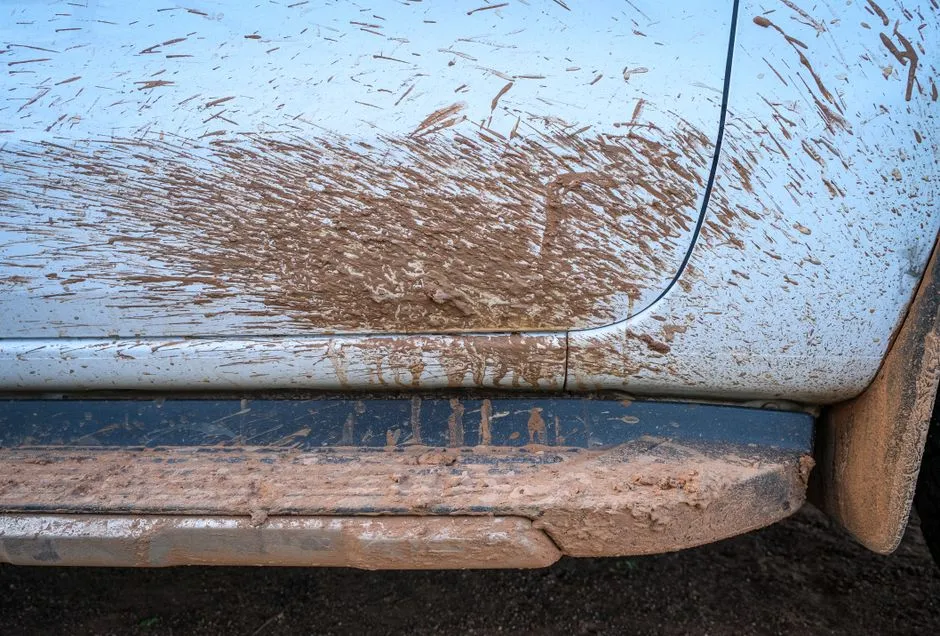
Cairns is mango country, and from about October through January mango trees drop a sap that's a nightmare once it hardens — sticky, acidic, and it grips like epoxy. Eucalyptus is everywhere too and throws a resin-heavy sap that stains and etches, and the poincianas are gorgeous trees with terrible sap. Lovely to live among, rough on paint.
Some suburbs cop it worse
There are definite hot spots around town:
- Edge Hill: big mature canopy. Beautiful to live under, hard on cars parked on the street.
- Whitfield: similar old-growth trees, plus more wildlife backing onto the range, and fruit bats roosting nearby.
- Redlynch: tucked against the range, mango trees everywhere — between the mangoes and the lorikeets, cars take a beating.
- Freshwater and Stratford: plenty of street trees and big old blocks, so constant sap and bird exposure.
If you're in one of those and parking outside, protecting the paint stops being optional, really.
What the damage looks like, stage by stage
It helps to know what you're actually looking at, because each stage is a different fix.
Stage 1: surface etching (often fixable at home)
A light, slightly dull spot where the dropping or sap was. The surface still feels smooth but looks a touch different to the paint around it. That's just the top of the clear coat being nicked, and a careful hand polish can often bring it back.
Stage 2: clear coat etching (needs machine polishing)
A visible ring or mark that catches the light differently, and you can feel a slight texture change running a finger over it. It's gone deeper into the clear coat, so it needs a cutting compound and a machine — hand polishing won't touch it.
Stage 3: clear coat failure (needs paint correction)
Now it's obvious from arm's length — a lighter spot on dark cars, a dull rough patch on white ones. The clear coat's compromised through to the colour, so it's a proper multi-stage correction, and even then a deep one can leave a faint trace.
Stage 4: base coat damage (needs a respray)
The etch has gone through the clear coat into the colour layer, so the mark's a different shade to the paint around it. At that point the only real fix is repainting the panel, and a single-panel respray in Cairns generally runs somewhere from $500 to $1,200 depending on the panel and the colour match. A fair bit of money for a bird dropping that sat too long.
How to get it off without making it worse
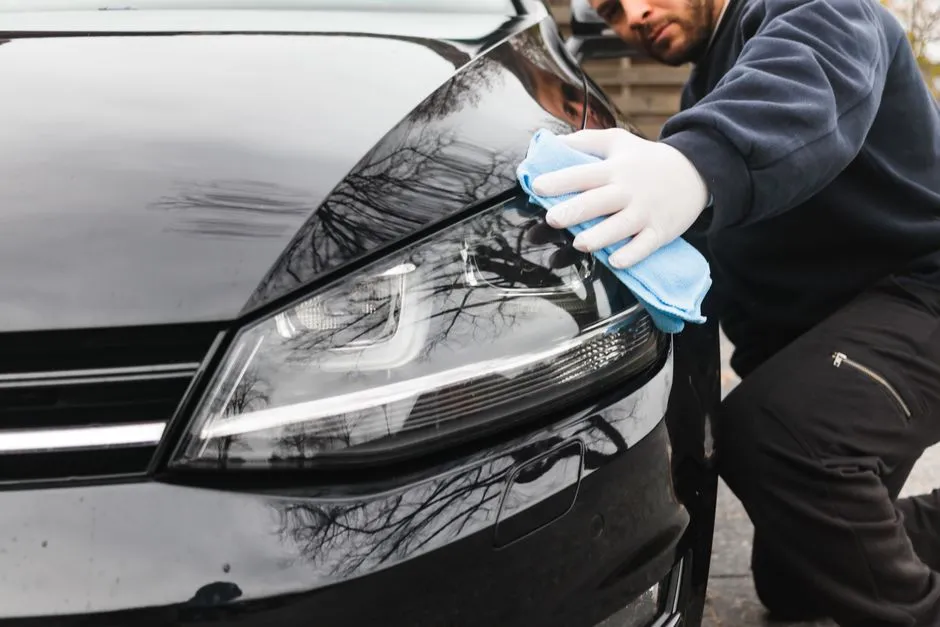
Keep a little kit in the glovebox — I'm serious, pop it in today. Just a small spray bottle of quick detailer or waterless wash, and a few clean microfibres in a ziplock bag. That's the whole kit, and it saves a lot of cars.
When you spot a dropping or sap, the order matters:
- Don't scrape it off dry. This is the big one. Dried droppings carry grit (birds eat seeds and gravel), so scraping drags that grit across your paint and leaves scratches.
- Spray the spot well with quick detailer and let it soak about 60 seconds. That softens it and starts lifting it off the surface.
- Lay a damp microfibre over it for another 30 to 60 seconds to soften it further.
- Lift the cloth, folding the mess up into it rather than wiping. Then a clean section of the cloth to gently wipe the area.
- Dry it off with a clean microfibre and have a look. If the surface looks normal, you're done.
For sap that's already gone hard: soak it with isopropyl alcohol or a dedicated tar-and-sap remover, give it two or three minutes to dwell, then work it off gently with a microfibre. No fingernails, no scrapers.
What works, and what quietly makes it worse
There's a lot of bad advice floating around the internet on this, so here's what the team actually reaches for, and what to leave on the shelf.
What works
- Quick detailer spray: your best first response. Meguiar's, Chemical Guys, Bowden's Own all make good ones. Keep one in the car.
- Isopropyl alcohol: good on hardened sap at about a 50% dilution, on a microfibre, not left to sit too long.
- A dedicated tar-and-sap remover: made to dissolve sap without harming clear coat. Worth having in the garage.
- A clay bar: for that sticky feel left behind after the sap's off — it pulls the last of the contamination out.
What quietly makes it worse
- WD-40: people swear by it for sap. It does loosen it, but it strips your wax and sealant and can leave its own residue, so you trade one problem for another.
- Nail polish remover (acetone): dissolves sap, and dissolves your clear coat right along with it. Never on car paint.
- Dishwashing liquid: too harsh — strips whatever protection you had and can leave a film.
- Cutting compound with no finishing polish: takes the mark out but leaves the spot hazy and dull, so you've swapped a small problem for a duller one.
Stopping it before it starts
This is where a ceramic coating really earns its keep up here. The way I like to explain it, a coating sits on top of your clear coat as a tough sacrificial layer. When a dropping lands on a coated car, the acid attacks the coating, not the paint underneath — and because the surface is so slick, the dropping doesn't bond as hard, so removal is often just a rinse. Even left overnight, the wear's on the coating, which is renewable, rather than your paint, which isn't without a respray.
We've watched coated cars sit with bird droppings on them for a couple of days through a Cairns summer with no clear coat damage at all — the same thing on bare paint would have been a correction. It's not bulletproof, mind you; a dropping left a full week will still cause grief. But it buys you a lot more time and takes most of the severity off, and up here, where the bird and tree exposure never really lets up, that buffer is worth a fair bit.
On cost: a professional coating starts from around $1,000 for a small new car, and a bit higher (from about $1,325) on a used car that needs its paint corrected first. For comparison, a dealership will often charge anywhere from $2,000 to $4,000 for the same idea, sometimes for what's really a glorified sealant — worth knowing before you sign anything in the finance office.
And the honest bit: a coating isn't right for every car. If you're selling in the next few months, don't spend on one — a good exterior detail and a glovebox kit will see you through. Same if the car genuinely lives in a garage and barely gets driven, because shade is already the best paint protection there is. I'd rather point you to the cheaper option than sell you something your car doesn't need.
Where not to park in Cairns
A bit of plain advice from years of seeing what this climate does to cars:
- Keep off the mango trees from October to February. The sap's terrible and the fruit bats that feed on the mangoes leave highly acidic droppings — a double hit.
- Watch for lorikeet roosting trees. If you see them gathering at dusk, don't park under it — they come back to the same tree night after night and it builds up underneath.
- Poinciana and jacaranda drop both flowers and sap. The flowers stain, the sap etches. Gorgeous trees, just not over your car.
- Use the garage if you've got one — for the car, not the boxes. It's the single best paint protection going.
- A breathable car cover takes a couple of minutes and handles the lot. A bit annoying, but your paint will thank you for it.
- Covered shopping-centre parking is your friend. Cairns Central, Stockland, DFO — use it even if it means walking an extra thirty seconds.
Questions we get asked a lot
How long before a bird dropping damages car paint?
In Cairns sun it's faster than most people think. Within a couple of hours it's soft and wipes off clean; by about six hours in summer heat it's baking on and starting to etch; left overnight it usually leaves a mark you can see. Down south you might get a day or two — up here you're on the clock from when it lands.
Why is tree sap so hard to get off car paint?
It hardens into a resin and bonds onto the surface, so it doesn't just rinse off like dirt. Once it's set in the heat it grips like glue, and mango and poinciana sap is some of the worst. Soften it with isopropyl alcohol or a proper sap remover rather than picking or scraping.
How do I remove a bird dropping without scratching the paint?
Never scrape it off dry — dried droppings carry grit and you'll drag scratches across the panel. Spray it with quick detailer, soak a minute, lay a damp microfibre over it for another minute, then lift the cloth rather than wiping. A glovebox kit of quick detailer and a couple of microfibres is the easiest fix going.
Can a bird dropping etch mark be polished out?
Sometimes. A light surface etch usually comes back with a machine cut and polish. A deeper one that's gone through the clear coat into the colour can be improved but not fully removed, and at that point the honest answer is paint, not more polishing. We'll tell you straight which one you've got.
Does ceramic coating stop bird dropping and sap damage?
It buys you a lot more time and takes most of the severity off, because the acid hits the coating instead of your clear coat and the surface is too slick for things to bond hard. Not bulletproof to a dropping left a week, but a coated car here shrugs off a day or two that would've marked bare paint. A professional coating starts from around $1,000 for a small new car.
Should I use WD-40 to get tree sap off?
I wouldn't. It loosens sap but strips your wax or sealant and can leave its own residue, so you trade one problem for another. Isopropyl alcohol or a tar-and-sap remover does the job without stripping your protection — and never acetone or nail polish remover, because that takes the clear coat with it.

Not sure if it'll polish out?
Send us a photo of the spot and we'll tell you honestly whether it'll polish out or it's gone too far. Mobile across Cairns — we'll sort the clean, the correction or the coating, whatever it actually needs.
Call 0468 077 474