

How to Protect Your Car from Salt Air in Cairns (Local Detailer's Guide)
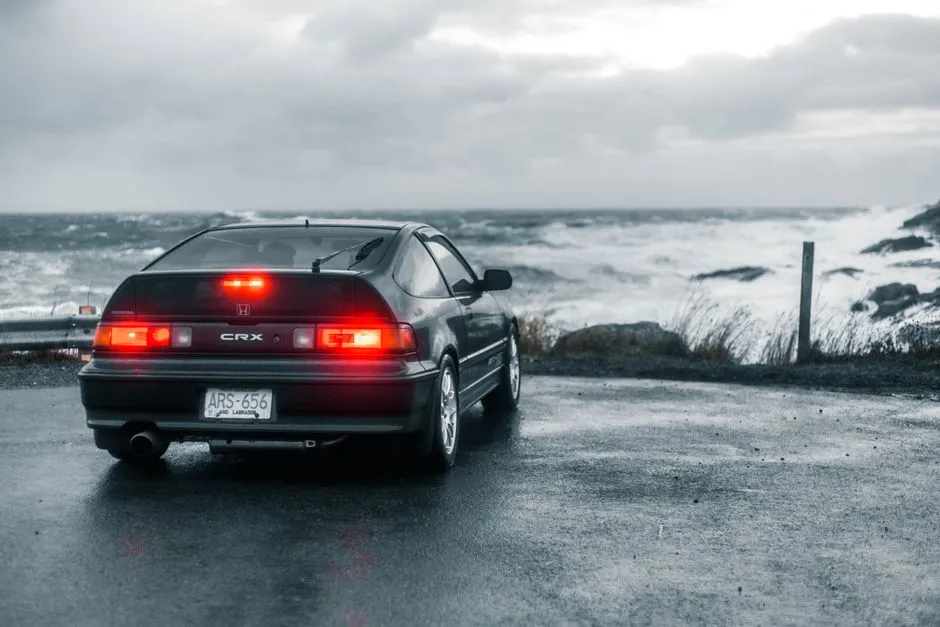
We detail cars right across Cairns every week, and salt damage is one of the things we see most — usually on the Northern Beaches, and almost always on a car the owner had no idea was copping it. Nobody thinks about salt air until it shows up as a dull patch on the bonnet or a bit of rust bubbling under the wheel arch, and by then you're paying to fix it rather than to prevent it.
So here's the straight version of how to protect your car from salt air in Cairns — what salt actually does, what genuinely works, and where you can save your money. No jargon, no scare tactics, just what we'd tell a mate.
Why salt air is such a problem up here
Cairns isn't just near the coast — it's pretty much sitting on it. The CBD is right on Trinity Inlet, the Northern Beaches run along kilometres of coastline, and even the suburbs that feel inland, like Smithfield and Redlynch, are only five or ten kilometres back. The onshore breeze carries salt-laden air across the whole region, so you don't have to live on the beach to be dealing with it.
Then you add our heat and humidity, which is where it really turns nasty. Think of it like leaving a wet, salty towel on metal instead of a dry one — the salt lands on your paint, the humid air keeps it damp so it never just dries off and blows away, and the heat speeds the whole reaction along. Down south salt is a seasonal thing near the water. In Cairns the trade winds blow onshore for most of the year, so it's a year-round job.
Which Cairns suburbs cop it worst
Not every part of Cairns gets the same dose, and you can roughly sort it by how close you are to the water. This is just what we see on the cars we work on across the region.
High exposure — within about a kilometre of the coast
- Palm Cove, Clifton Beach, Kewarra Beach, Trinity Beach — right on the beach. Cars left out overnight here pick up a visible salt film by morning.
- Yorkeys Knob, Machans Beach, Holloways Beach — flat, open and wind-blown. Some of the heaviest salt exposure we come across.
- Cairns CBD and Cairns North — people forget the CBD is basically waterfront, sitting right on the inlet.
Moderate exposure — a few kilometres back
- Smithfield, Trinity Park, Earlville, Manunda, Mooroobool — not on the water, but the onshore breeze still carries salt this far. We see dulled paint and a bit of early corrosion on cars here too.
Lower exposure — five kilometres-plus, often up higher
- Redlynch, Freshwater, Brinsmead, upper Edge Hill — further from the coast and usually a bit of elevation. Salt damage is far less common up here, though it's never quite zero.
What salt actually does to your car
Salt doesn't just make a car look a bit sad. It quietly works away at a few different parts of it, and most of the damage happens slowly enough that you don't notice until it's done.
Paint and clear coat
Salt crystals are mildly abrasive, and they draw moisture out of our humid air, so they sit on the paint creating a little damp, corrosive environment of their own. Over months that breaks down the clear coat — the bit that protects the colour underneath — and the paint starts to look hazy and dull. Once the clear coat's gone, the colour oxidises fast.
Metal components
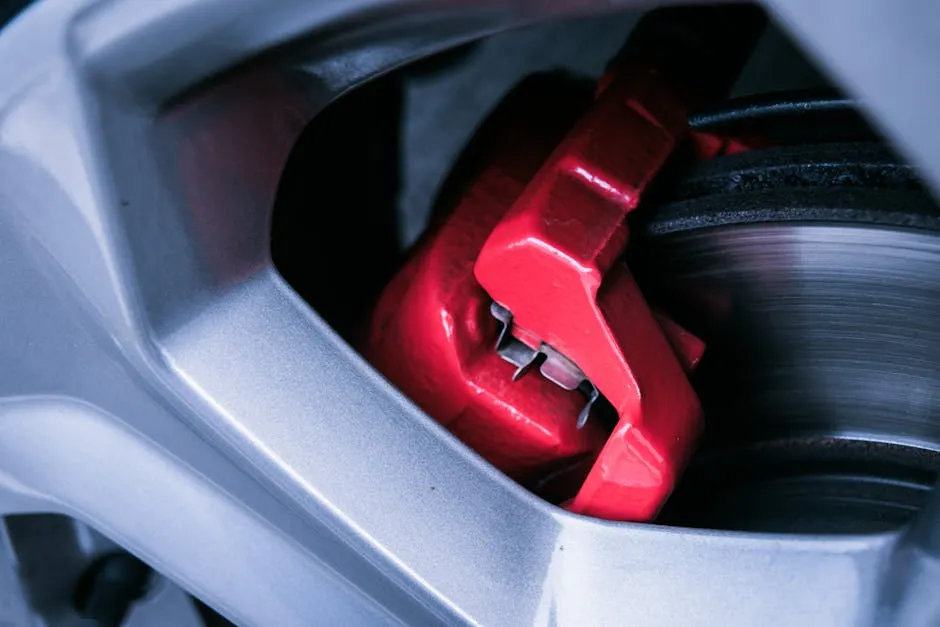
This is the big one. Salt speeds up rust on any exposed metal — brake rotors, calipers, the exhaust, suspension parts, the chassis rails, and anywhere a stone chip has gone through to bare metal. We regularly see cars up here with brake rotors visibly corroded after just one wet season of coastal parking.
Rubber, trim and glass
Door seals, window rubbers and plastic trim all dry out and crack faster with constant salt exposure, and once a seal goes it lets more moisture and salty air into the cabin. Salt also leaves a stubborn haze on the glass that the wipers don't fully clear, and over time the fine crystals can micro-scratch the windscreen as the blades pass over them.
The steps that work, ranked
Here's what genuinely makes a difference, roughly in order of how much it does for you.
1. A fresh-water rinse, every few days
I'm putting this first on purpose, because it's the cheapest thing on the list and one of the most effective. Salt does its damage over time — the longer it sits, the worse it gets — so flushing it off before it dries on is half the battle. A two-minute rinse with the garden hose over the lower panels, wheel arches and underbody, every couple of days if you're coastal, makes a real difference. You don't need product or a bucket for this one, just water.
2. A proper hand wash, every 7 to 10 days
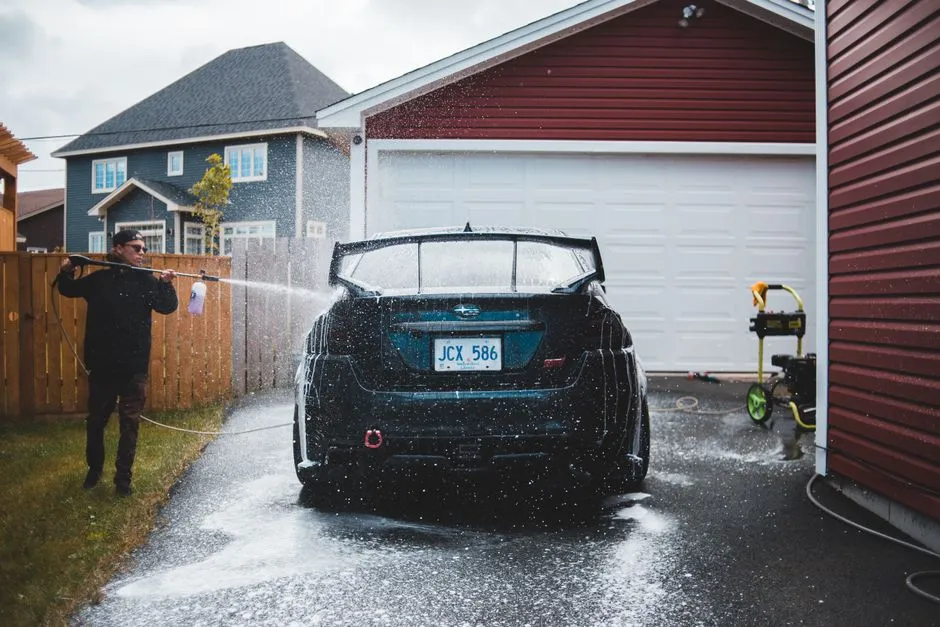
The rinse keeps the salt moving; the wash actually lifts it off. A proper hand wash with car shampoo and a microfibre mitt every week to ten days clears the salt and grime a rinse leaves behind. Skip the drive-through if you can — they run recycled water that often carries salt and grit from the cars before you, and the brushes can put swirls in your paint, so you can end up adding damage while you're trying to remove it.
3. A real coating on the paint
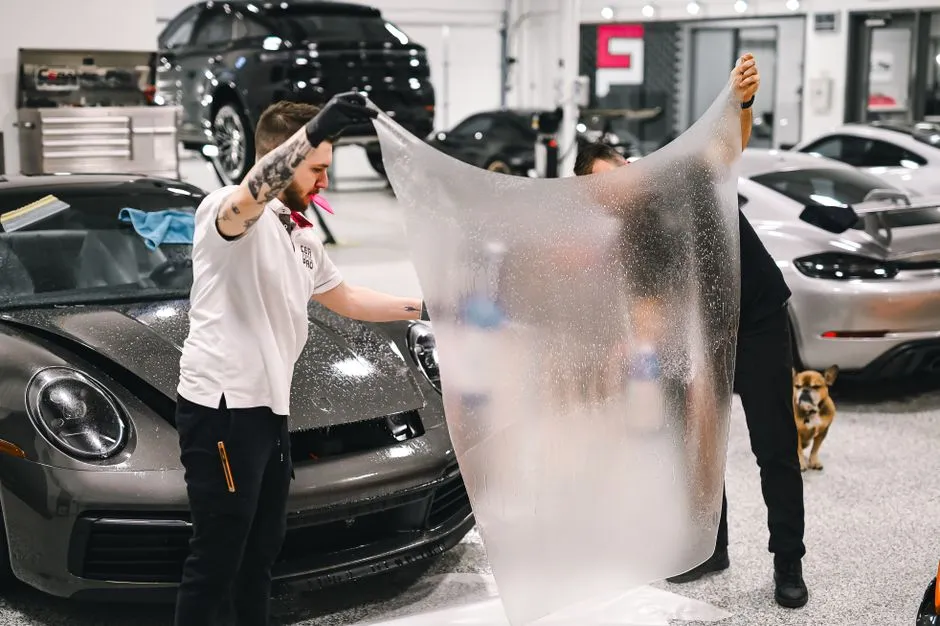
For the painted surfaces, a professional ceramic coating is the strongest protection going for a coastal car. The way I like to explain it is it turns your paint into a bit of a whiteboard — the salt sits on the coating instead of bonding into your clear coat, so it rinses straight off and never gets the chance to etch in. It's the thing we'd recommend for most cars near the water, especially on the Northern Beaches. There's more on the cost of that further down.
4. Look after the rubber and trim
It's easy to forget the non-paint bits, but the seals and trim are what keep the weather out. The team treats all the rubber and plastic with a salt- and UV-resistant dressing during a full detail to keep it supple, and you can keep on top of it yourself with a decent rubber conditioner every month or two.
5. Park it under cover when you can
If you've got a garage or a carport, use it — keeping the car out of the salt air overnight is free and it works. If you're building or doing a reno, a carport is honestly one of the better things you can do for a car's lifespan in Cairns.
What professional protection costs
If you do want to step it up beyond the hose, here's roughly what the going options cost across Cairns, so you can see where each one fits before you ring anyone.
| Option | What it does for salt | Rough cost in Cairns |
|---|---|---|
| Exterior detail with decontamination | Lifts embedded salt and contaminants out of the paint; we'd suggest it every few months for a coastal car | from ~$325 |
| Ceramic coating | Best long-term protection for the paint; salt sits on the coating, not your clear coat | from ~$1,000 |
Where you land depends mostly on your car's size and the state of the paint — a big 4WD or a neglected finish sits up the top, a tidy hatch down the bottom. A used car that needs its paint corrected before coating starts a little higher again.
A quick word on ceramic in particular, because it comes up on the phone all the time. If you've been quoted a ceramic coating through a car dealership, you've probably seen a number somewhere between $2,000 and $4,000, often bundled into your finance so it's easy to wave through on the day. That's a lot, and the price alone tells you nothing about what's actually going on the paint. A genuine coating takes the better part of a day — the paint has to be cut and polished first, the coating laid on in clean conditions, then left to cure. So if a "ceramic" is done in an hour while you wait, with no correction and nobody able to tell you the product, the grade or the warranty, be a bit sceptical. There's more on all of that in our piece on whether ceramic coating is worth it in Cairns, and you can see the real prices on our ceramic coating service page.
The bit everyone forgets: the underbody
This is the part most people skip, and plenty of detailers do too — but it's arguably the most important area for salt. Your underbody has exposed metal, brake lines, suspension and exhaust parts, all of it sitting right where the salt and road spray reach it. And because you can't see any of it, the corrosion just quietly carries on until something starts to fail.
A few simple things keep on top of it:
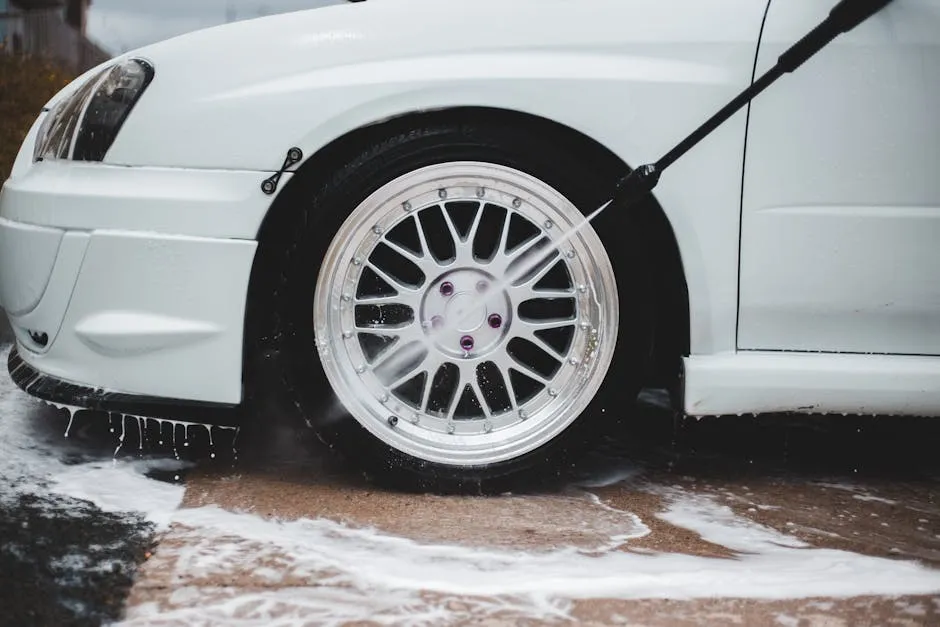
- Rinse underneath with every wash. Spray fresh water up into the wheel arches and under the car to flush the salt out. A garden hose with a nozzle does the job; if you can get a pressure washer under there, even better.
- Get the underbody done properly now and then. We include an underbody rinse as part of a full detail, and for a car parked on the coast day in, day out, doing that every six months or so is worth it.
- Touch up your stone chips. Any chip on the lower panels or wheel arches is a little open door for salt to start rusting the metal. A cheap touch-up pen the day you notice one can save you a real repair bill down the line.
Living on the coast up here is brilliant, and your car can handle it fine — it just needs a bit of extra attention to keep up. Most of that you can do yourself with a hose and a routine. For the rest, that's what we're here for, if that makes sense.
Questions we get asked a lot
How often should I wash my car if I live near the coast in Cairns?
If you're within a kilometre or two of the water — the Northern Beaches, the CBD on the inlet, the coastal suburbs — give it a proper hand wash every 7 to 10 days. Better still, a quick fresh-water rinse every couple of days knocks the salt off before it settles in. The longer it sits, the more it costs you later.
Does salt air really cause rust on cars in Cairns?
It does, and we see it weekly. Salt speeds up corrosion on any exposed metal — brake rotors, exhaust, suspension, and anywhere a stone chip has gone through to bare metal. Cars in the coastal suburbs start showing it earlier than the same car parked up in the hills, and the humidity and heat only make it worse.
Will a ceramic coating stop salt damage?
It's the best paint protection going for a coastal car. The salt sits on the coating instead of bonding into your clear coat, so it rinses off easily and never gets the chance to etch in. It won't protect the bare metal underneath — your underbody, brakes and chips still need a regular rinse — but for the painted surfaces it's the strongest defence short of a permanent garage.
How much does it cost to protect a car from salt air in Cairns?
It scales with how much protection you want. An exterior detail with decontamination runs from about $325 by size. A ceramic coating, the long-term option for paint, generally runs from around $1,000 for a new car and a bit more for one that needs its paint corrected first. And the most effective thing of all — a fresh-water rinse with the garden hose — costs nothing.
Is a quick rinse with the garden hose actually worth it?
Honestly, it's one of the best things you can do, and it's free. A two-minute rinse over the lower panels, wheel arches and underbody flushes the salt off before it dries on. It won't replace a proper wash or a coating, but if all you do is rinse the car down every few days, you're already ahead of most cars on the coast.
Are inland Cairns suburbs safe from salt damage?
Safer, not immune. Up around Redlynch, Brinsmead and Freshwater the salt exposure drops right off — a wash every couple of weeks is plenty for salt. You'll still want regular washes for the usual tropical grime, sap and bird mess, but you can ease off on the salt front compared with the beachside streets.

Worried about salt on your car?
Send us a photo and we'll have a look and tell you straight whether it's a hose-and-rinse job or worth a proper protect. Mobile across Cairns, no pressure either way — give us a buzz.
Call 0468 077 474