

Boat Detailing in Cairns: A Guide for Marina & Trailer Boat Owners
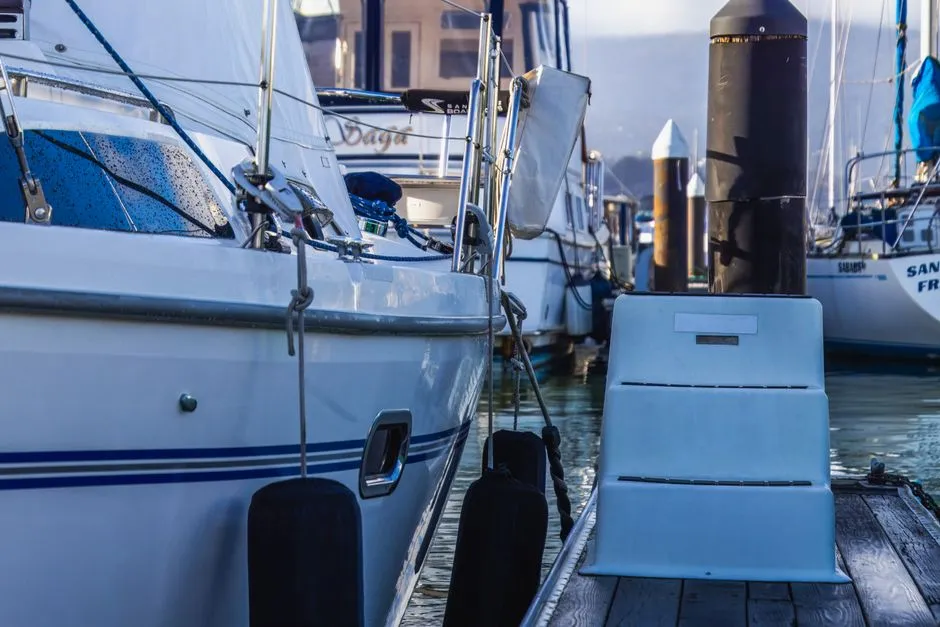
Cairns is a boating town, and we love that about it. Out to Fitzroy for the day, chasing fish off the edge, a cruise up the inlet on a Saturday — it's a big part of why people are up here. The trouble is the same tropical conditions that make the boating so good are brutal on the boat itself. Salt, extreme UV and a wet season that never lets anything dry don't care what you paid, and a tidy vessel can start looking a bit sad inside a couple of years if it's left to fend for itself.
We detail boats the same way we detail cars — properly, with marine-specific products, and with a feel for what Cairns weather actually does to a surface. So here's the guide. Some of it you can do yourself, and I'll be upfront about which bits, if that makes sense.
What salt and tropical sun do to a boat
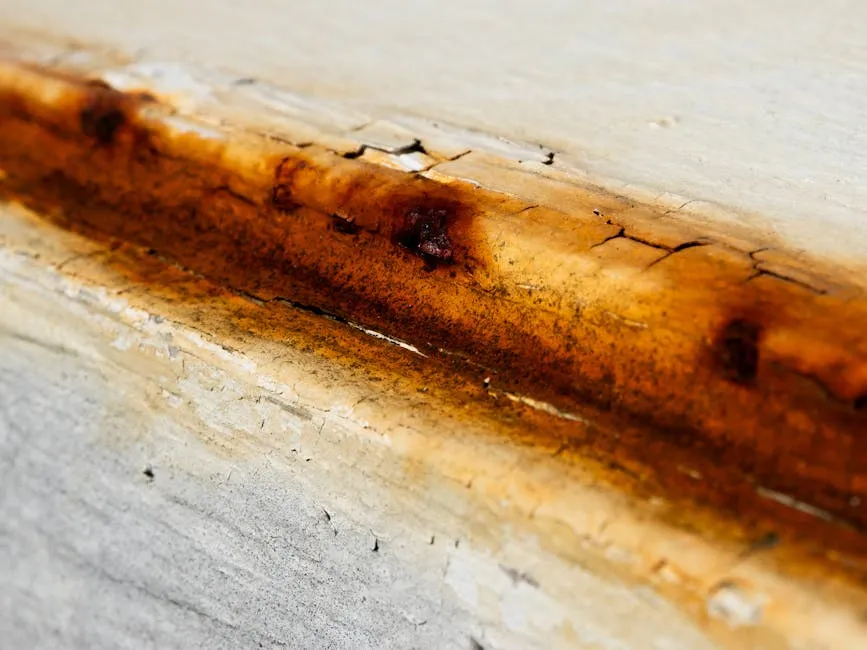
Salt is the quiet one. You don't notice it doing anything until the damage is already there. Salt crystals are abrasive, so they scratch into the gel coat, and paired with the UV up here they cause oxidation — that chalky, faded look you see on a neglected boat. In Cairns we see gel coat starting to dull at 12 to 18 months on a boat with no protection, where down south you'd get years. A bright white hull goes a tired grey, and a coloured one fades to a shadow of itself.
It's not just the hull, either. Stainless isn't really stainless in salt water, it's stain-resistant at best, so cleats, rails and rod holders start pitting. Aluminium gets that white powdery oxidation. And the inside cops it worst of all — salt draws moisture, and a cabin that's warm, damp and often shut up is exactly where mould wants to live. Nine times out of ten, the mould has started under the cushions before anyone spots it on top.
Trailer boats and marina boats want different things
Where your boat lives changes the job, so it's worth saying which camp you're in before you book anything.
Trailer boats
If you trailer it, you've got a real advantage: the hull comes out of the water between trips, so you can rinse it, you can reach it, and marine growth never gets a permanent grip. The flip side is more sun, since there's usually no cover, plus trailer roller marks and road grime to deal with. For a trailer boat the work sits mostly up top — washing, sorting the oxidation, and protecting the gel coat from all that UV.
Marina boats
A marina boat sits in the water full-time, so on top of the topside salt and UV you've got the waterline scum building up, and the constant humidity feeding mould in any enclosed cabin or sleeping quarters. The hull below the waterline is a separate conversation again — that's antifoul territory. We focus on the waterline up: the scum line, the above-waterline fade, the salt residue everywhere, and the mould inside.
Bringing a faded hull back
The hull is the biggest surface on the boat and the first thing anyone sees, so it's usually where people start. How we approach it really depends on how far the gel coat has gone.
Light oxidation
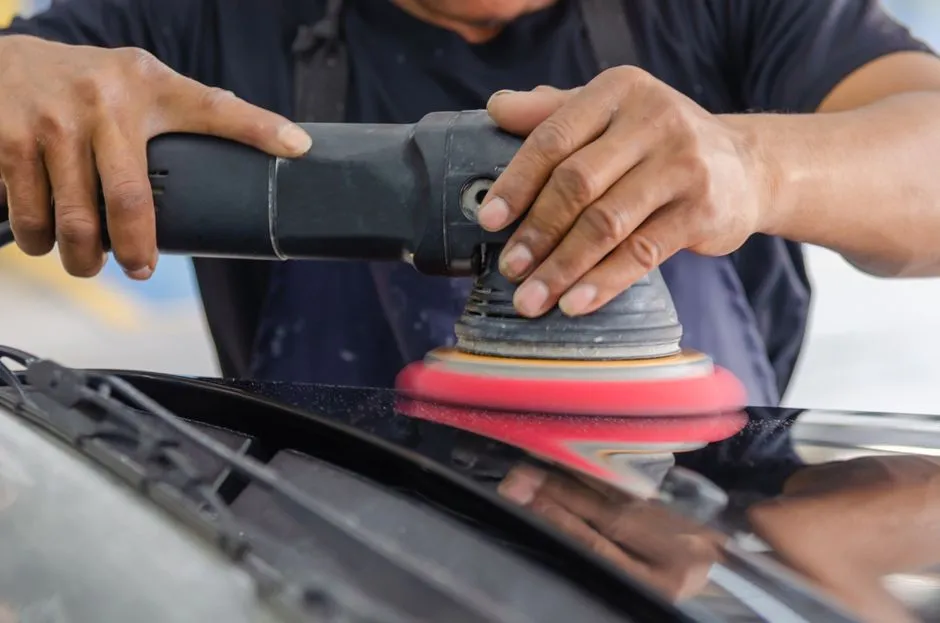
If the gel coat is dull but still smooth to the touch, a marine-grade machine polish is normally plenty — the team works through a cutting compound then a finishing polish, which lifts the oxidised layer and brings the gloss back. On most boats that's a half-day kind of job depending on size.
Heavy oxidation
If it's gone rough and chalky, and a white cloth comes away with colour on it, it needs wet sanding before any polishing — a few stages of progressively finer grit, then compound, then polish. It's slow, careful work, but the results are the dramatic ones. The team has brought boats back that owners had already priced up to get repainted, which is a much nicer phone call to make.
The waterline scum
That grubby line at the waterline is a mix of algae, minerals and biological gunk, and a normal boat wash won't touch it. It takes a dedicated waterline cleaner and a bit of agitation, and on heavy build-up a light cut and polish on top. A freshly polished and sealed hull also slips through the water a touch better, so you'll sometimes notice it in the fuel use too.
Inside the boat: vinyl, mould and metal
Boat interiors take an absolute hammering — salt water, sunscreen, fish, wet towels, sand, the lot, all baking in 35-degree heat. A couple of things are worth knowing here.
Marine vinyl is its own thing
Marine vinyl isn't car vinyl and it isn't household-cleaner material — it's coated differently, and the wrong product strips the UV inhibitors and brings the cracking on faster. So the team cleans it with marine-specific products, paying particular attention to the stitching and the underside of the cushions, which is where the mould hides and the salt crystallises out of wet clothes. Left unprotected, vinyl up here can crack inside a couple of years; kept clean and conditioned, you're looking at many more.
Mould, the wet-season special
In Cairns the mould gets a little bit ahead of most people, and it's no wonder — a cabin is warm, humid, often dark and shut up, which is pretty much everything it likes. We treat it with a marine anti-mould solution and then an inhibitor that holds regrowth off for a few months. If your boat has an enclosed cabin or a head, a treatment every quarter through the wet isn't really optional.
Metal and chrome
Metal fittings are where salt damage shows up first, and they make a whole boat look neglected even when the hull's fine. Stainless gets polished and sealed before the pitting takes hold, aluminium needs an aluminium-specific product, never a stainless polish, and chrome in salt is a bit of a losing battle long term, if that makes sense. Polishing and sealing buys it time, but once it starts peeling there's no fixing it, only re-chroming — and we'll tell you straight when a fitting has reached that point rather than charge you to polish something that's gone.
Marine ceramic coating, and what it really costs
Yes, ceramic works on boats, and in Cairns it's one of the better things you can do for one. It's not the same product we put on cars — a marine coating has to cope with full salt immersion and harder UV — but the idea's the same: a tough layer that bonds to the gel coat so the salt, sun and grime hit the coating instead of the surface underneath. Here's what you actually get from it:
- UV protection. This is the big one up here. The coating holds off the oxidation that fades and chalks a gel coat, and in Cairns UV that's worth a lot on its own.
- The rinse actually works. Water and salt bead off instead of bonding, so that after-trip hose-down does far more, and the salt doesn't get the chance to sit and crystallise.
- Less to clean. A coated boat washes up in a fraction of the time. Over a season of regular use, that adds up to a fair few Saturday mornings back.
On price, a marine ceramic generally starts from around $1,000 for a smaller boat and climbs with the size of the vessel and the state of the gel coat — a bigger cruiser, or one that needs the oxidation cut back and corrected first, sits higher again. I won't throw a firm figure at you in a blog post, because length and condition move it a lot, but that's the ballpark to have in your head. It typically holds for a couple of years up here with the right upkeep.
Watch out for the cheap "boat ceramic"
This one comes up on the phone, so it's worth a heads-up. Not everything sold as a "ceramic coating" for a boat is the real thing. A genuine marine coating takes the better part of a day — the gel coat has to be decontaminated and polished first, the coating laid on properly, and then it needs time to cure dry and undercover. So if someone's offering to "ceramic" your boat in an hour at the ramp with no prep, and they can't tell you the product, how many layers, or what the warranty is in writing, be a bit sceptical. More often than not that's a spray sealant wearing a fancier name — it beads nicely for a few months and it's gone by the next wet season.
What to do yourself, and when to call us in
I'm not going to pretend you need a detailer every time the boat gets dirty, because you don't. A lot of looking-after a boat in Cairns is just steady habits, and the most important one is free.
Do this yourself, every trip: a proper fresh-water rinse of the whole boat — hull, topsides, all the fittings — before the salt dries on. Flush the engine, wipe the vinyl down, and pop the hatches so the cabin can breathe. Honestly, that one habit does more for a boat up here than any single thing we sell. Add a monthly wash with an actual marine boat wash, not dishwashing liquid, and you're most of the way there.
Call us in for the jobs you can't do in the driveway: oxidation that's already set into the gel coat, a proper seal or a coating, mould that's taken hold inside an enclosed cabin, and stainless that's gone pitted. If your boat just needs a wash, give it a wash — there's no sense paying for a full detail on a vessel that only wants a hose-off. Nine times out of ten we'd rather point you to the smaller job than book you the big one.
Questions we get asked a lot
How much does boat detailing cost in Cairns?
It comes down to the size of the boat and how far gone it is. A wash-and-protect on a small trailer boat starts in the low hundreds; a full cut, polish and seal on a faded hull runs higher again, often $600 to $1,500-plus once you factor in size and oxidation. A marine ceramic coating generally starts from around $1,000 and climbs with length and condition. Nobody can give you a firm number without seeing the boat.
Can I just hose my boat off myself instead of paying for a detail?
For day-to-day upkeep, yes, and you should. A fresh-water rinse after every trip is the single best thing you can do, and it's free. A professional detail is for the bigger stuff — a hull that's oxidised and needs cutting back, a proper seal on the gel coat, mould that's set into a cabin, stainless that's started to pit. If it just needs a wash, give it a wash.
Is ceramic coating worth it on a boat in Cairns?
Up here it often is, because the UV and salt are relentless. A marine coating holds off oxidation, makes the after-trip rinse far more effective, and keeps the gel coat looking new for years. Worth it if you're keeping the boat a while and it sees regular use; less so if you're selling soon or it lives under cover and barely moves.
How often should I get my boat detailed?
Rinse after every use, wash it properly monthly, and book a professional detail roughly every three to four months to stay ahead of oxidation and mould. Cairns moves faster than down south, so a boat left a full year up here needs a much bigger rescue job than one kept on a steady schedule.
What's the difference between detailing a trailer boat and a marina boat?
A trailer boat comes out of the water, so you can rinse it and growth never grabs hold — the work is mostly topside oxidation and trailer grime. A marina boat sits in the water full-time, so you're also dealing with a waterline scum, more constant salt, and mould in enclosed cabins. Same products, different focus.
Can you detail my boat at the marina or do I bring it to you?
We come to wherever the boat lives — the berth, the driveway with it on the trailer, or the ramp. The one job that needs planning is a ceramic coating, since it has to cure dry and undercover, so for that we'll talk through the best spot. Everything else we do on site.

Want a real number for your boat?
Send us a photo of the hull and the cabin and give us a buzz — we'll come back with a straight quote, and we'll tell you honestly if a wash and a seal will do the job before we book a full detail. Mobile across Cairns.
Call 0468 077 474